


Amboseli National Park Management Transferred to Kajiado County Government
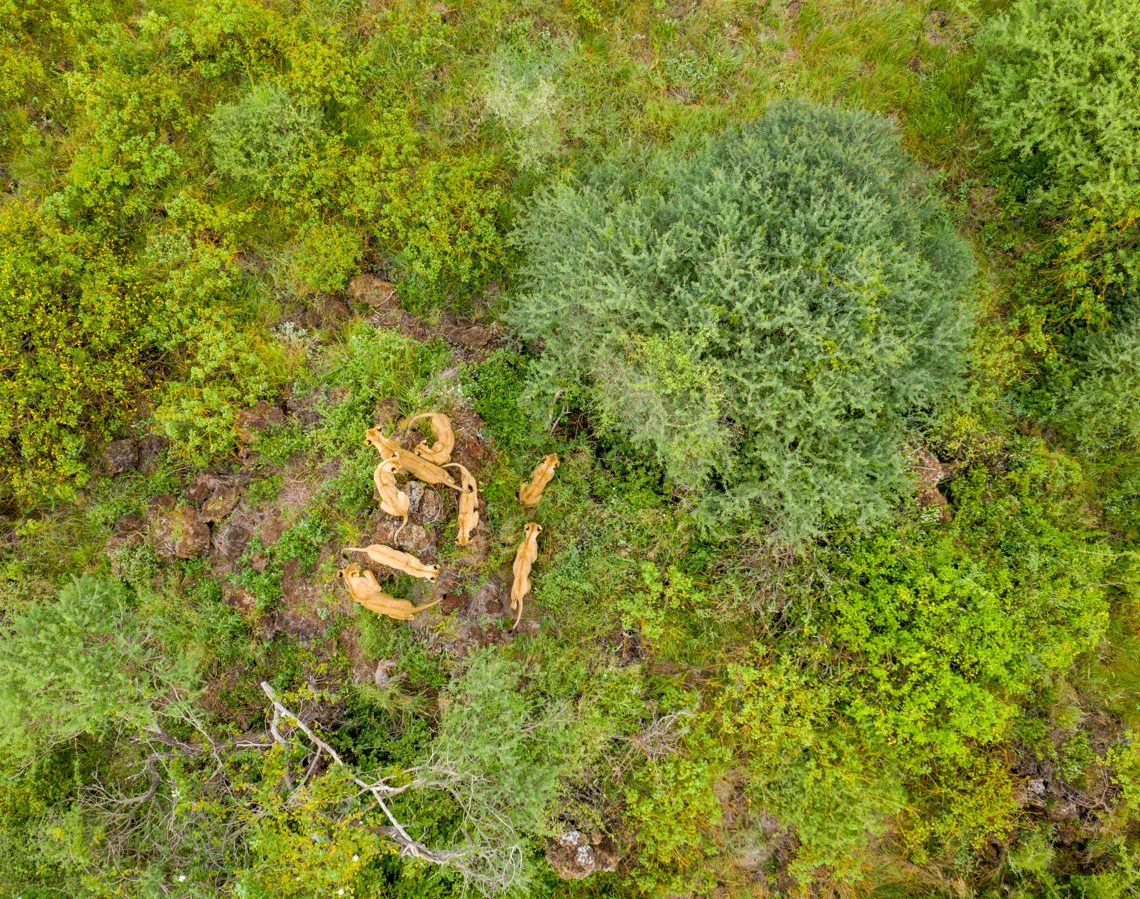
On 8 November 2025, the Government of Kenya formally transferred management of Amboseli National Park to the Kajiado County Government. The handover ceremony was attended by representatives from national and county governments, community members from Kajiado, Narok, and Samburu counties, and stakeholders from the conservation and tourism sectors. The transfer concludes a multi-decade discussion regarding the park’s governance and management framework.
A Brief History of Amboseli National Park
To appreciate the significance of this moment, it is important to revisit the history of Amboseli:
- 1880s: Amboseli’s recorded history begins with the interactions between the Maasai people and early European explorers. The area was traditionally known as “Empusel”, meaning salty, dusty place in Maa.
- 1906: It was first protected as the Maasai Amboseli Game Reserve.
- 1948: Management was handed back to local authorities. At that time, the reserve covered 3,260 km².
- 1974: Kenya’s first President, Mzee Jomo Kenyatta, upgraded the area to a national park to safeguard its ecological importance and placed it under the management of the Kenya Wildlife Service (KWS).
- 1991: Amboseli was inscribed as a UNESCO World Heritage Site.
For more than five decades, discussions continued regarding the role of local Indigenous communities in Amboseli’s management, with stakeholders emphasizing that long-term conservation outcomes are influenced by governance arrangements and community engagement in surrounding landscapes. The Maasai community consistently pushed for the restoration of their role in managing Amboseli, arguing that conservation could not succeed without the involvement of the people who live closest to the wildlife.

The Transfer Process
Upon his election in 2017, Kajiado County Governor Joseph Ole Lenku publicly stated his administration’s intention to pursue county-level management of Amboseli National Park. Following negotiations between county and national governments, this objective was realized in 2025.
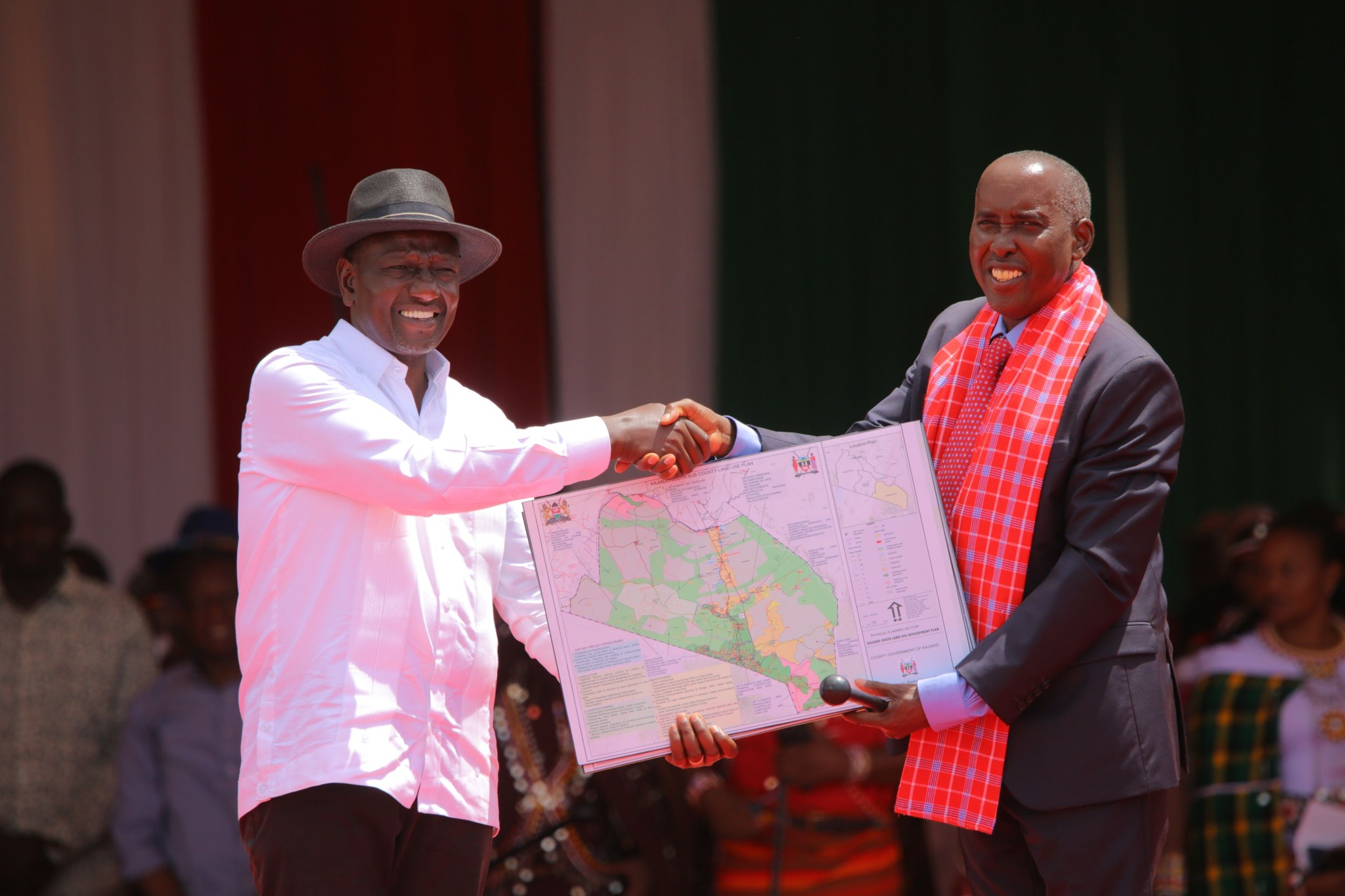
The handover coincided with the Maa Cultural Festival, an annual regional event hosted on a rotating basis by Maa-speaking counties.
During the ceremony, President Ruto emphasized the significance of the transfer, stating:
“The transfer represents what Kenya must always stand for: justice, inclusion, and shared prosperity. It affirms a fundamental truth — that the people who live closest to wildlife are not enemies of conservation.”
What the Transfer Means
Under the new arrangement, the national government will retain 5% of the park’s revenue to support ongoing wildlife research and monitoring. Full transition of management to Kajiado County is expected by 2029.
Key elements of the transition include:
- A Deed of Transfer signed on 14 October 2025 between Tourism Cabinet Secretary Rebecca Miano and Governor Joseph Ole Lenku.
- A phased transfer of management, finances, staff, and revenue-sharing over three years.
Management will be overseen by a semi-autonomous county government agency, ensuring accountability and long-term sustainability.

Looking Ahead
The transfer of management introduces a new governance structure for Amboseli National Park.
Areas of continued focus include:
- Wildlife protection and monitoring
- Sustainable tourism development
- Community engagement across the ecosystem
As management responsibilities shift to Kajiado County, Amboseli National Park enters a new phase. The outcomes of this transition will depend on implementation, collaboration among stakeholders, and long-term resource management. True community-led stewardship—one that strengthens conservation, promotes coexistence, and blends cultural heritage with ecological responsibility is key to wildlife conservation. With Amboseli National Park now entrusted to those who have protected it for generations, the promise for the entire Amboseli ecosystem to be a shining example of sustainable conservation and harmonious coexistence between communities and wildlife is strong.
Leave a Reply